Bonjour lecteurs! Today, something très différent as my post is aimed at bilingual families who want to raise their little ones with their cultures and languages. Being a Frenchie mama in the UK, Stanley is most immersed in the British culture. But I still try to implement his Frenchie roots as much as I can. Not always easy. Take this morning at breakfast par exemple. I was trying to convince him to get a French name on his passport and to be called Jean-Paul when we cross the border. How fun would it be to have 2 names, depending on the country? But he said ‘non‘, while munching his brioche… I shall continue this conversation another time… For now, here are the best strategies for raising bilingual children.
Use Your Native Language As Often As Possible
Many pieces of research showed that c’est important that the first language your child learns is your native language. It helps them recognise your voice when they are newborns and smoothly bond with you.
And later in life, they will naturallement see the difference once you start introducing them to a new idiom. Start with basic words like ‘Mum’, ‘Dad’, ‘Bye’, and ‘Thank You’.
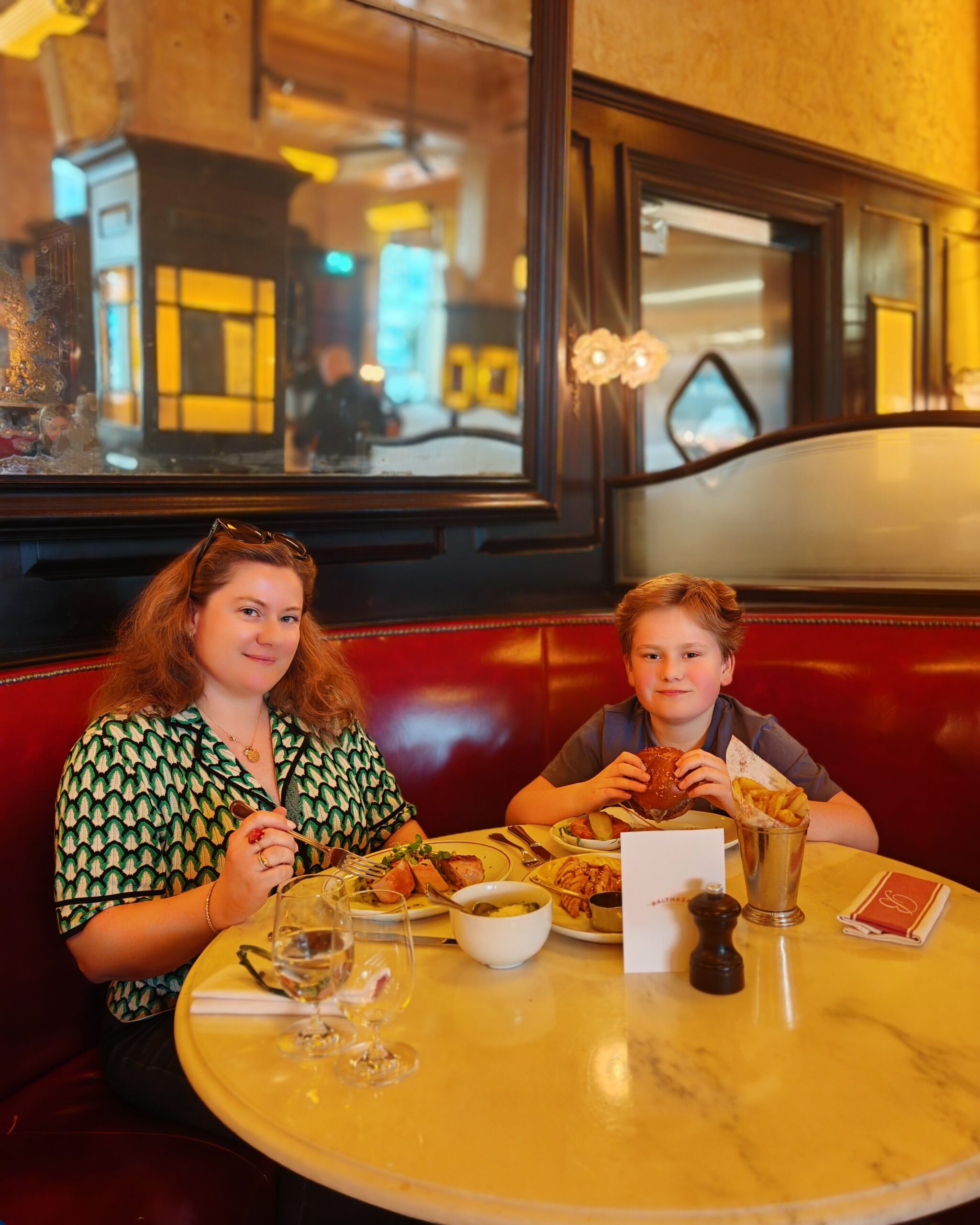
Talk to your children in your native language as often as possible. Why not join a mum group with other mamas from your country? Being surrounded by people talking in your language will make it like a natural setting for your child.
En plus, if you also speak English, they will naturally pick up words from both languages and it will enhance their communication skills without even thinking about it.
French Immersive Programme in France
I also love l’idée of immersing them in their second culture. Whether you plan coming back home on holidays or a few weeks on their own to study French in France, there is nothing better than living in the country to learn and practise their maternal language.
You get so much more when you live abroad, even just for a few weeks. Not only your children will get real-time practice, but they will also get better with day to day vocabulary. It’s so much fun to use another language in practical situations such as ordering food at local markets or riding public transport. They will also pick up the native nuances such as slangs (always fun!), idioms and tone.
After all, there is so much that textbooks simply cannot teach.
Make It Fun & Playful
Le secret to help them speak your language despite living in the UK? Try to use your language in any context that they love.
Whether they’re into sport or video games, you can always catch their attention in that context. Plus, learning through fun is always best. I have never seen Stanley happier than when my mum bought him a Minecraft guide last year. It might have been in French, but he was eager to find out the meaning of words and could actually work out so much thanks to the context and his (large!) knowledge of Minecraft already…
Do they love la musique? It can be such a great way to develop a language. Songs converge a message, and they model well words and syllables to children. En plus, you can learn so many new words too. Find an artist who sings half French half English, et voilà!
For younger kids, role-plays work well. We used to go to the playground and I would give him the directions in French: ” à droite, à gauche, tout droit“.
The Importance of Drilling Words & Expressions
To build your child’s language skills, c’est important to repeat words encore and encore. The more modelling opportunities you have, the more confident they will become at reusing the words themselves.
Teach them to understand words before they can say them with their correct meanings. Show them the items too. And use the language repetitively in the right context.
Share Food Together
I don’t know about you, but everything is straightaway easier when some good food is included. I am so lucky to be French. You have to admit that the French cuisine is probablement the best in the world. So entice them with good food.
If anything, I think Stanley knows a lot of yummy dishes from my country: fromage, croissant, pain au chocolat… and don’t get me started on all the pastries out there.
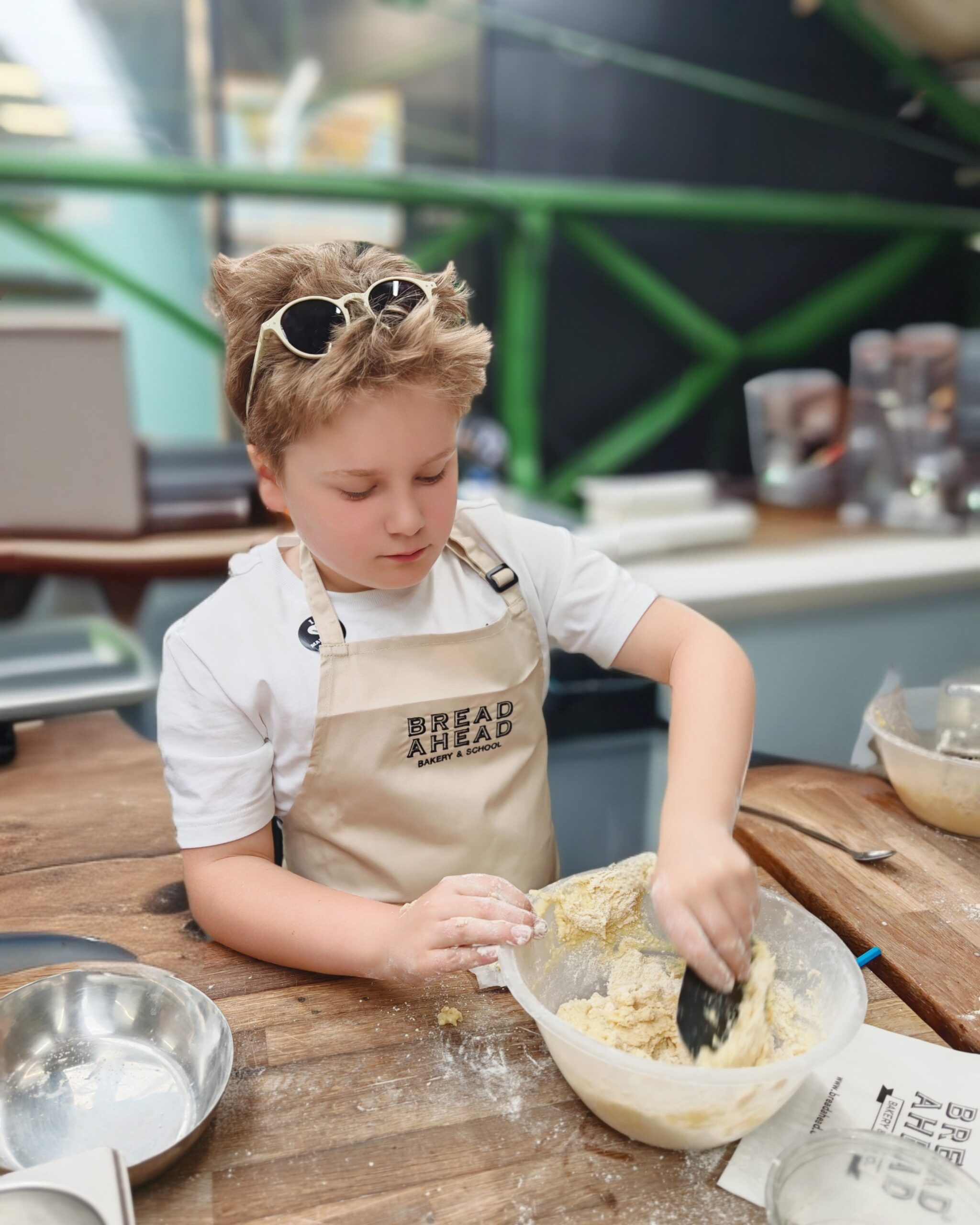
We even love making some at home. Pourquoi pas? After all, it’s one of the easiest way to develop their love for your culture and language.
Raising bilingual children can have some hurdles. But it’s all about daily routines and small actions. You might have a break and speak mostly English at times. But it’s not lost and it’s never too late.
Collaboration



Great – wish I could speak more than 1 language!
I do think it is amazing how children pick up a second language so quickly!
Yes their brain is amazing. I got guilty of switching more to English with Stanley over lockdown. So we are back to French now and he is picking up things so quickly!
My granddaughters are both bi lingual. They learnt Welsh in school and my younger grandaughter is particularly proficient in it. They learnt it from primary school age even though neither of their parents speak it
I am sure I read somewhere children can learn a new language easier when they are young. It is so important for their future because it opens up a world of career opportunities when they speak different languages too!
We are not a bilingual family, but I think it’s amazing how children can pick up two (or more!) languages so quickly! My daughter has a Ukrainian girl temporarily in her class who couldn’t speak a word of English when she arrived in July last year. She is now almost fluent!
So I speak Cantonese and it’s always been a wish for my children to speak Cantonese too. Sadly my son was speech delayed and the speech therapist said it did not help he was bilingual and told us to focus on one. Because my husband doesn’t speak Cantonese it only made sense for us to focus on English and since then he refuses to reply back to us in Chinese. He even says he doesn’t like speaking in Chinese. We’ve tried meeting up with other mums and children who speak it but they speak English amongst each other. When I put on Cantonese cartoons he would take the remote and change the video. It’s getting hard…
Oh I am so sorry for you. It must be hard. Stanley had a period like that talking French. It was partly my fault as I switched to English during homeschooling. But we are doing it slowly again. He might not speak Cantonese but you can speak to him and it is still practise. One day he might change his mind and he will catch up quick because he has been brought up in this environment. Good luck! Never give up!
It’s amazing how quickly children can learn more than one language. When I was little my nan taught me some Italian, just by pointing things out on bus routes or walks. Unfortunately I lost her when I was 7 I lost my nan, and unfortunately the language skills too. it’s important to keep practicing at every opportunity.
My children have spoken a second language from early age because of family and grandparents. I think it’s so important to learn from an early age, as young children retain the languages much easier than when they are older
great article
Amazing how quick children pick up language skills – comprehensive read
Fab! I wish I could talk different languages….sadly I got a D at GCSE level in French
This is such a great resource, my 5yo daughter has just started to learn Mandarin
Wow that’s amazing!
As a retired teacher I cannot stress enough to the importance of reading to and with a child for developing communication skills as well as for the sheer enjoyment of it. My children and I shared books until they were well into their teens. One of the delights of becoming a Nan was to read to and with my grandchildren. Sadly however none of them now read for pleasure. That seemed to stop when they finished primary school.
I agree it is so important! Sadly, young people now just love new technologies too much. Stanley loves his tablet and there are some great apps out there to help with his learning etc. But you can’t replace books. I really hope he will be a bookworm like me when he is older 🙂
Aren’t children amazing the way they pick things up so easily
great tips for raising children bilingual
Such useful skills, I wish I could speak more languages.