Bonjour lecteurs! It’s officiellement the exam season. Your teenager might feel the pressure, while you look for practical ways to guide them through the stress. It’s all about balancing emotional support with the right structure. Here is how to support your child through exams.
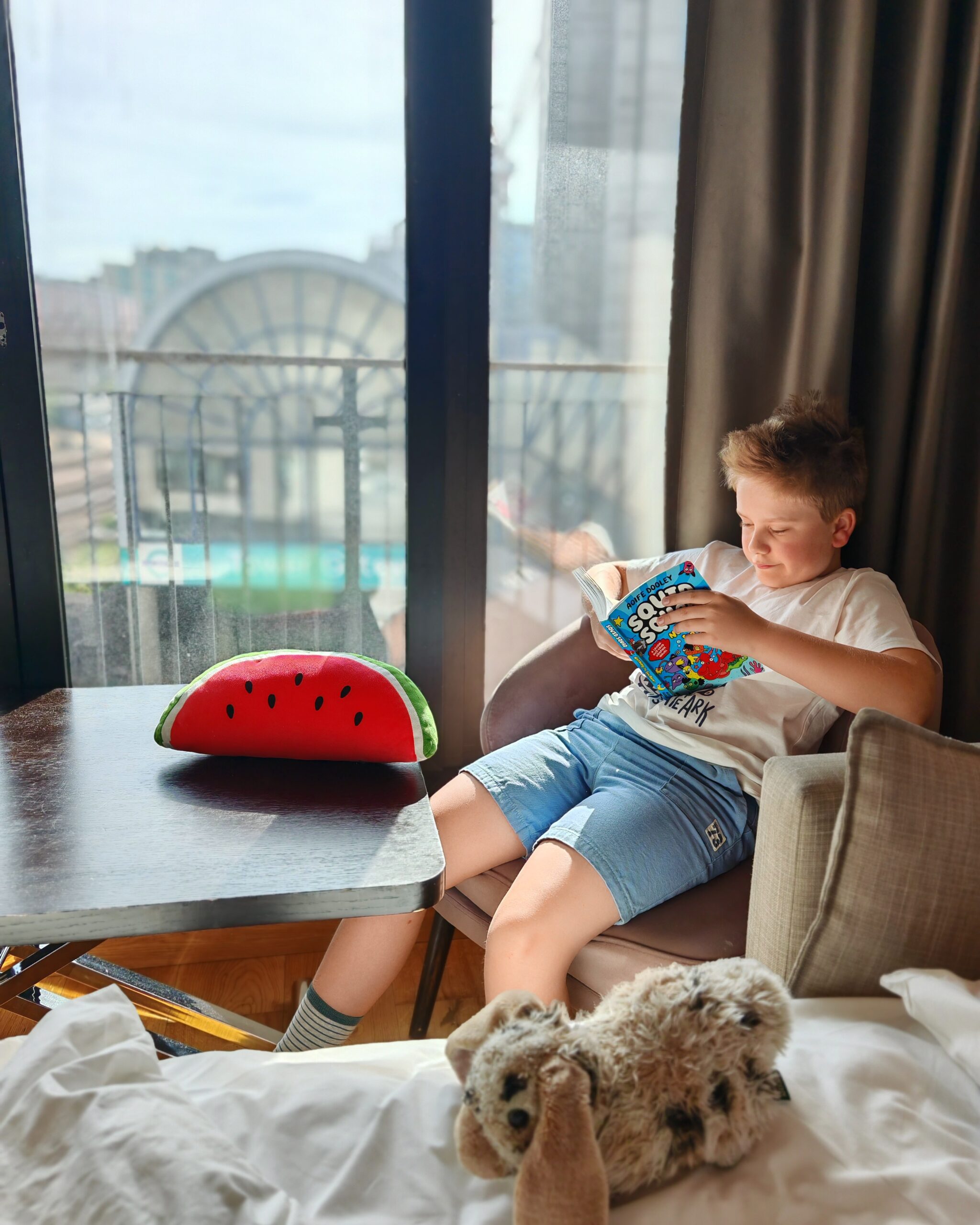
Create a Dedicated Study Space
A quiet environment will help your teenager focus on their notes without daily household distractions. Par exemple, set up a specific desk to separate work from relaxation. Clear away clutter and make sure they have pens, paper, and good lighting.
It’s also a good routine for their brain. When they sit down at this specific spot, it signals that it is time to concentrate. Keep younger siblings or noisy activities away so they can fully concentrate.
Review Content Resources
Finding high-quality study materials can save your child from wasting time on irrelevant topics. Many students use targeted online platforms to help with their revisions. Par exemple, focusing on GCSE English language resources will give them a structured practice to help with complex texts and writing essays. Using flashcards and mock questions is une excellente idée to prepare for their exams.
Look for resources that match their exact syllabus and the right exam board so they do not study the wrong modules. Plus, you can also see areas that need more attention.
Break Revision Into Blocks
Sitting down for hours without a break leads to fatigue and poor retention. You can help your child structure their day by using timed sessions. They need to break revision into manageable chunks. I would suggest they do 30 to 45 minutes at times.
Encourage a short break between these blocks to step away from the desk. A 5-minute walk, a stretch, or a quick snack helps reset their attention span. This method prevents burnout and makes large volumes of material look less intimidating. The Pomodoro Technique is also a good one.
Ensure they step completely away from their screens. Checking social media does not give the brain a true rest. Instead, they should step outside.
Help Them Emotionally
Teenagers are still developing the brain systems responsible for planning, calming, and perspective-taking. Because of this growth stage, children and teens need help regulating these emotions during stressful periods. They might experience sudden mood swings or anxiety when thinking about their final marks.
Let your child vent about their frustrations without offering des solutions immédiates. Just knowing that someone understands their pressure can lower their anxiety levels. Your calm presence acts as a buffer against their exam panic.
Stay calm yourself. By modelling the right behaviour, you’ll help them more than you think.
Maintain Healthy Sleep Routines
Late-night study sessions do more harm than good when exams approach. Sleep is vital for moving information from short-term memory into long-term retention. Aim for a consistent bedtime that allows for at least 8 hours of rest.
- No digital devices 1 hour before sleep to prevent blue-light disruption.
- Encourage them to read a fiction book or listening to calm music to wind down.
- Keep up with your usual routines to preserve a steady biological clock.
- Avoid caffeinated drinks after 4 pm.
They need a well-rested brain to handle the stress that comes with exams. If your teenager struggles to fall asleep, try creating a relaxing evening routine together. A warm bath or a hot drink without caffeine can signal to the body that the workday is officially over.
Keep Nutrition Balanced
The brain requires steady fuel to function at its peak during intense revision weeks. Heavy, sugary snacks cause energy crashes, leaving them sluggish and unfocused. Provide balanced meals with slow-release carbohydrates to keep their stamina steady.
Stock the kitchen with healthy choices like nuts, fruit, and whole-grain toast. They also need to stay hydraté, so keep a water bottle on their desk.
Try to eat meals together away from study materials whenever possible. This gives your teenager a scheduled break and a chance to engage in normal, non-exam conversation.
Establish Visual Revision Timelines
Plan ahead of the exams. A visual calendar on the wall shows exactly what needs covering and when. This view prevents last-minute cramming and reduces panic.
You can even colour-code it to show the balance of study topics at a glance. Add the exam dates clearly in red and work with a backward-planning schedule. Don’t forget to include family events, sports and rest days. Life should not work around exams!
Get your teenager involved with the schedule so they feel a sense of ownership over their time. When they see the entire plan laid out, the overall workload feels far more achievable. Celebrate big wins too!
Encourage Physical Activity
Sitting at a desk all day builds up physical tension that can intensify feelings of anxiety. They will regular movement to help clear their mind.
Plus, we all know that it releases endorphins and improves the mood. Even a short walk around the block can change your child’s perspective after a difficult study session. No need to plan major workouts in the day. A quick game of football in the garden, a bike ride, or a brief yoga stretch can do wonders. Think of exercise as a tool to relieve stress rather than another task on their checklist.
If they don’t fancy it, suggest going for a walk together to fetch milk or walk the dog. Getting them into fresh air and a change of scenery breaks up the monotony of the day. They will be more productive.
The exam period can prove to be stressful for both parents and teens. But only you know well you child and how they learn best. By assisting them, you will help them in their journey. Plus, it’s a great way to bond together! Your unconditional support is the best tool they have during this challenging academic season. Bonne chance!
Collaboration


